The Problem
HR workflows are fragmented across too many manual steps: recruiters screen resumes one by one, respond to applicants manually, track action items in spreadsheets, and manage expense claims through email chains. For small to mid-size teams without dedicated HR software, this is a significant time drain — and the cost of enterprise HR platforms is often unjustifiable.
Built during the HackX 2.0 hackathon, HR Tech was our attempt to tackle this fragmentation with AI automation.
What We Built
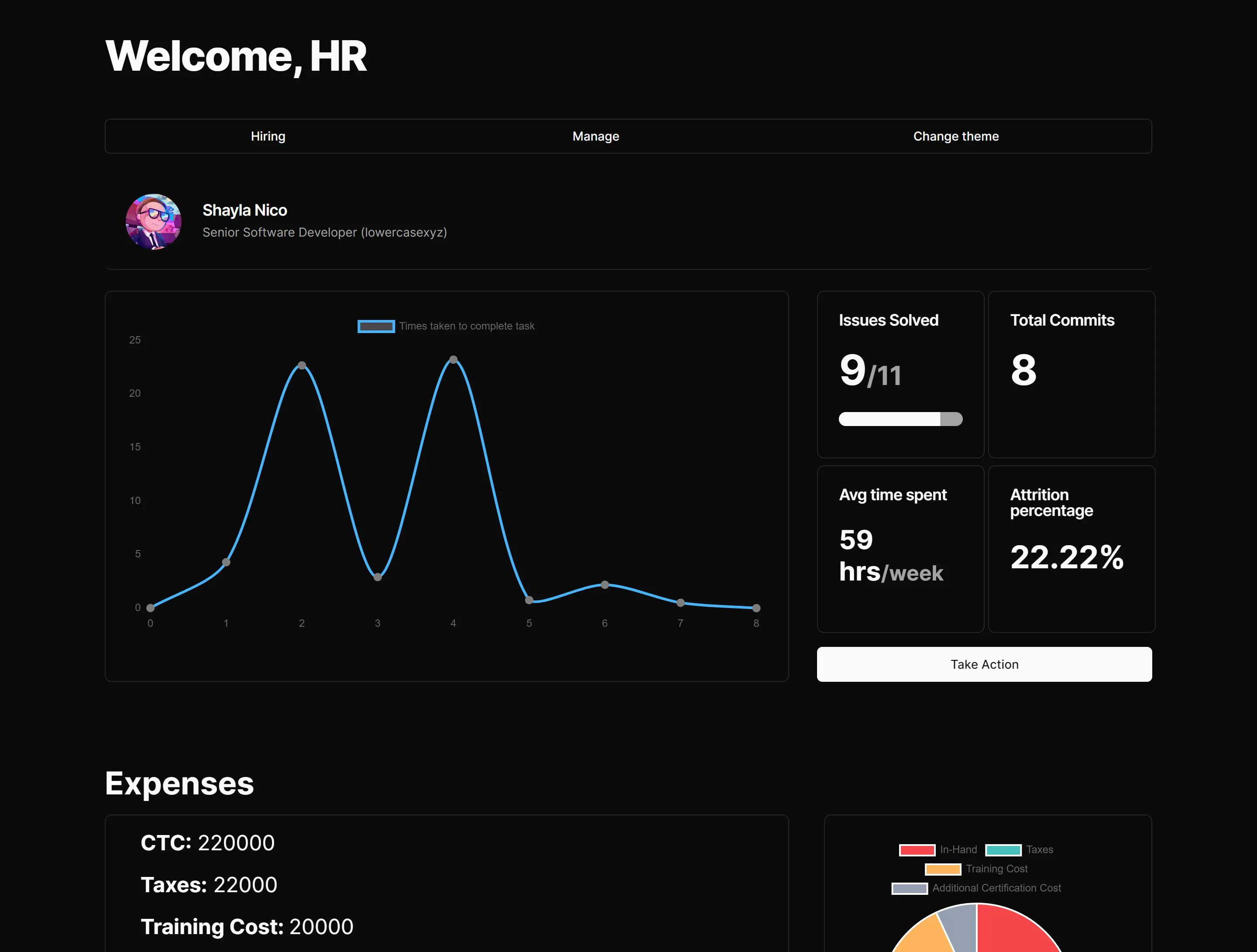
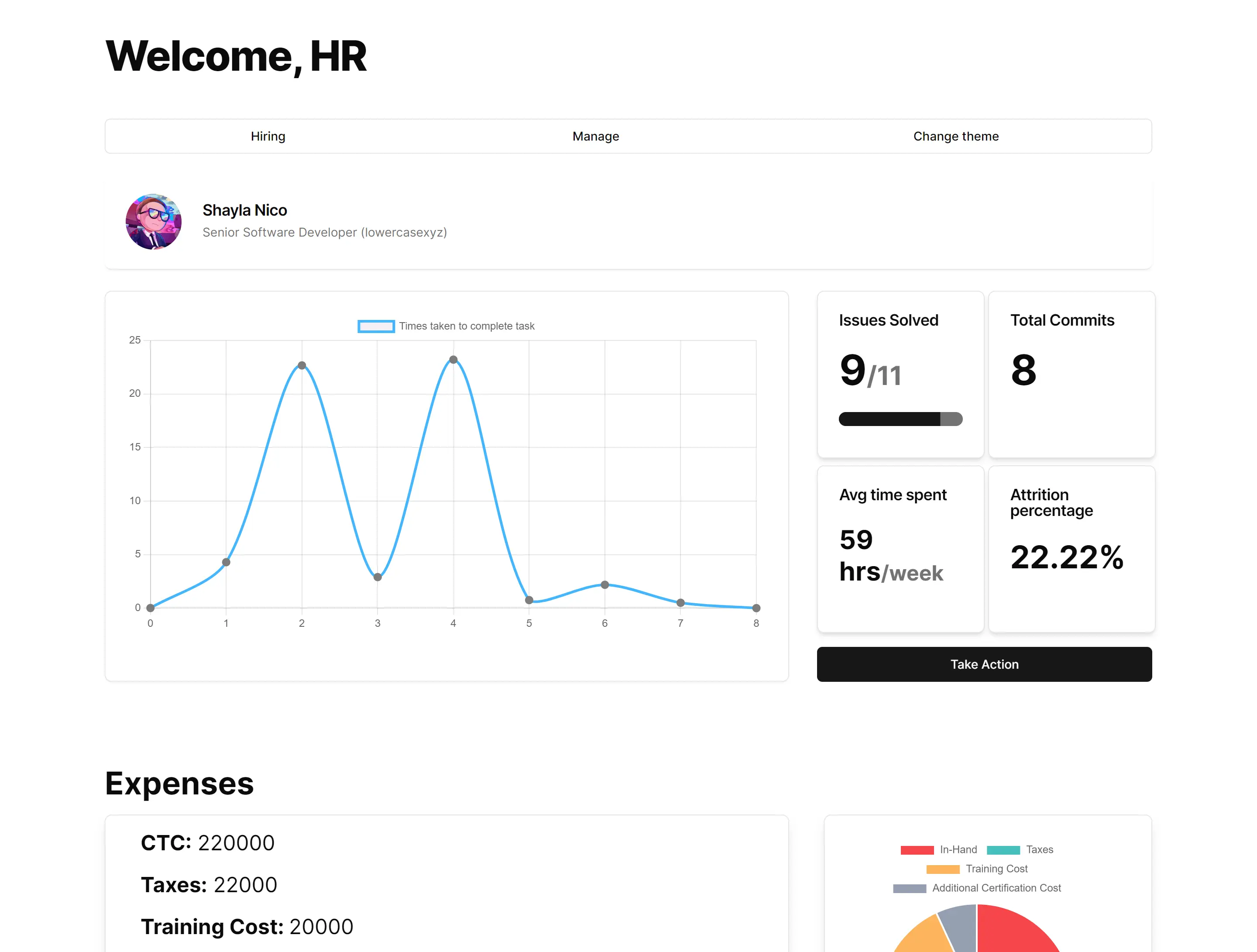
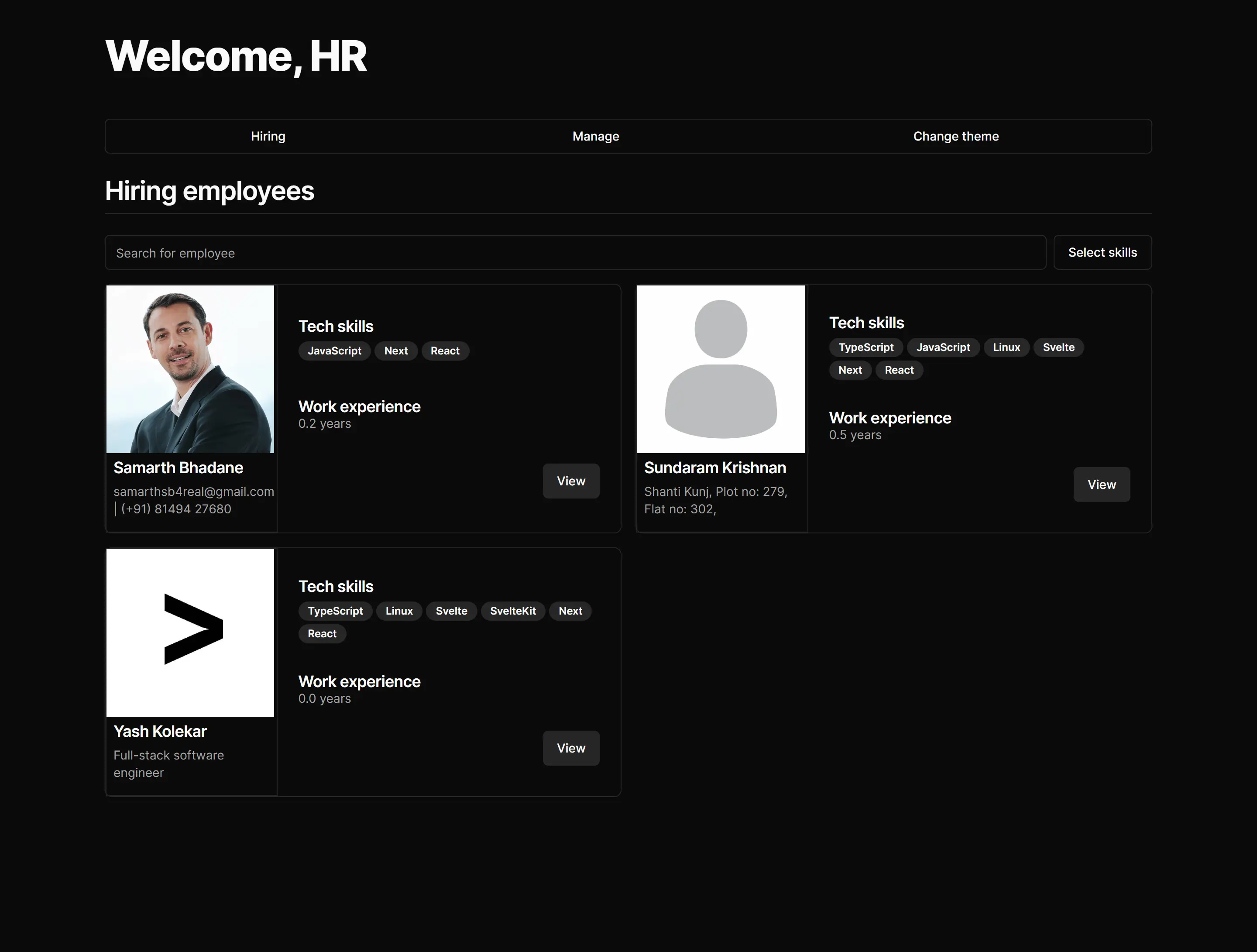
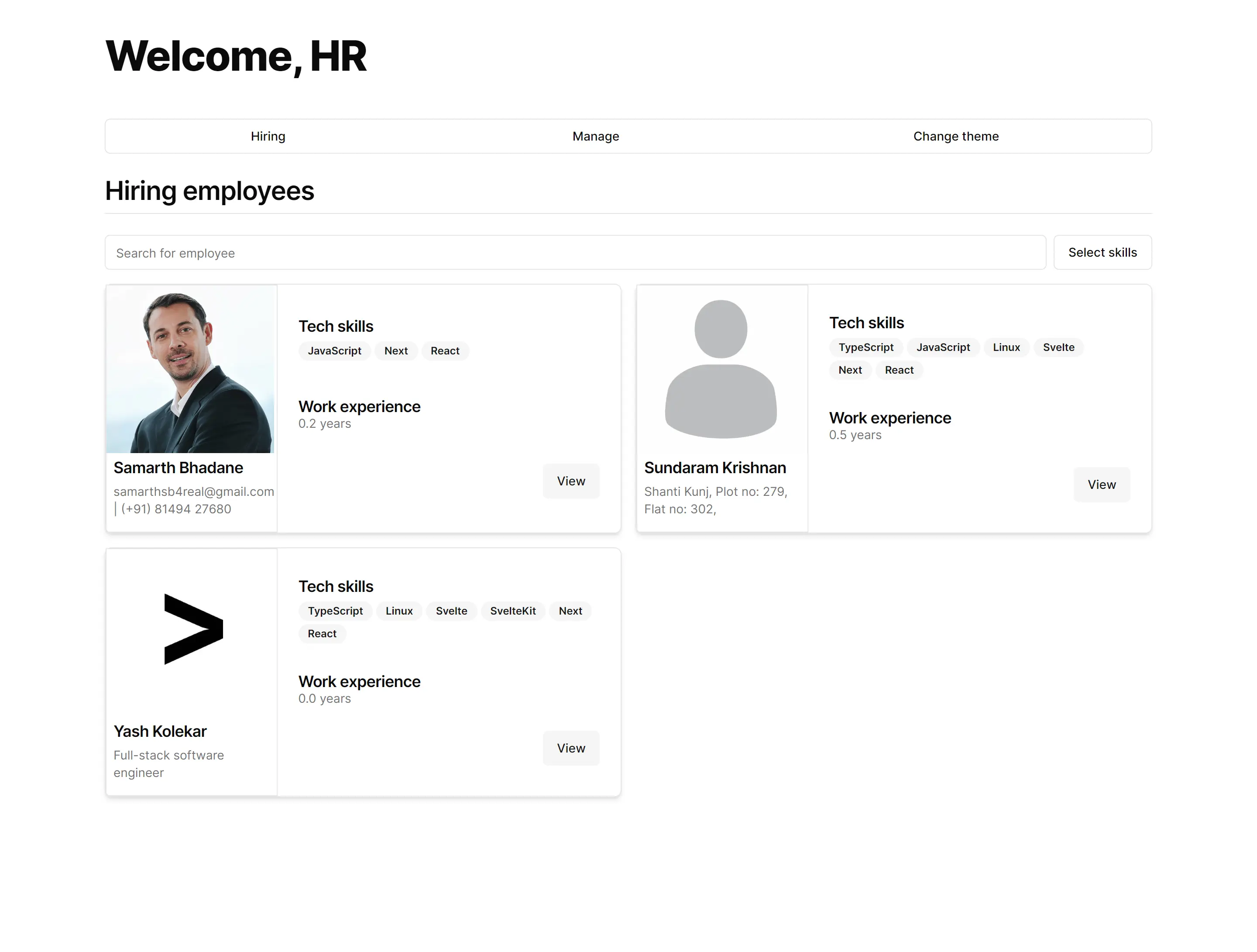
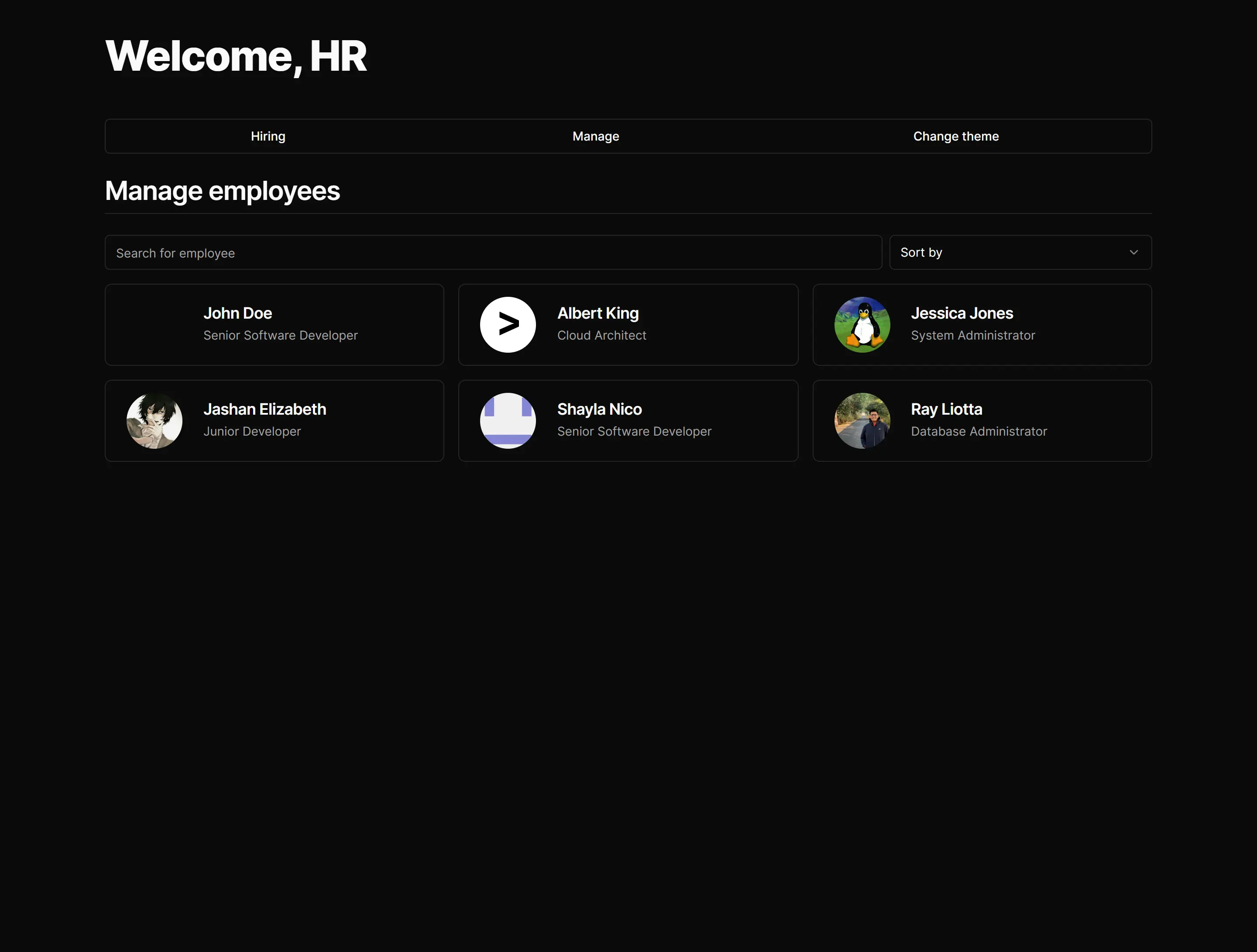
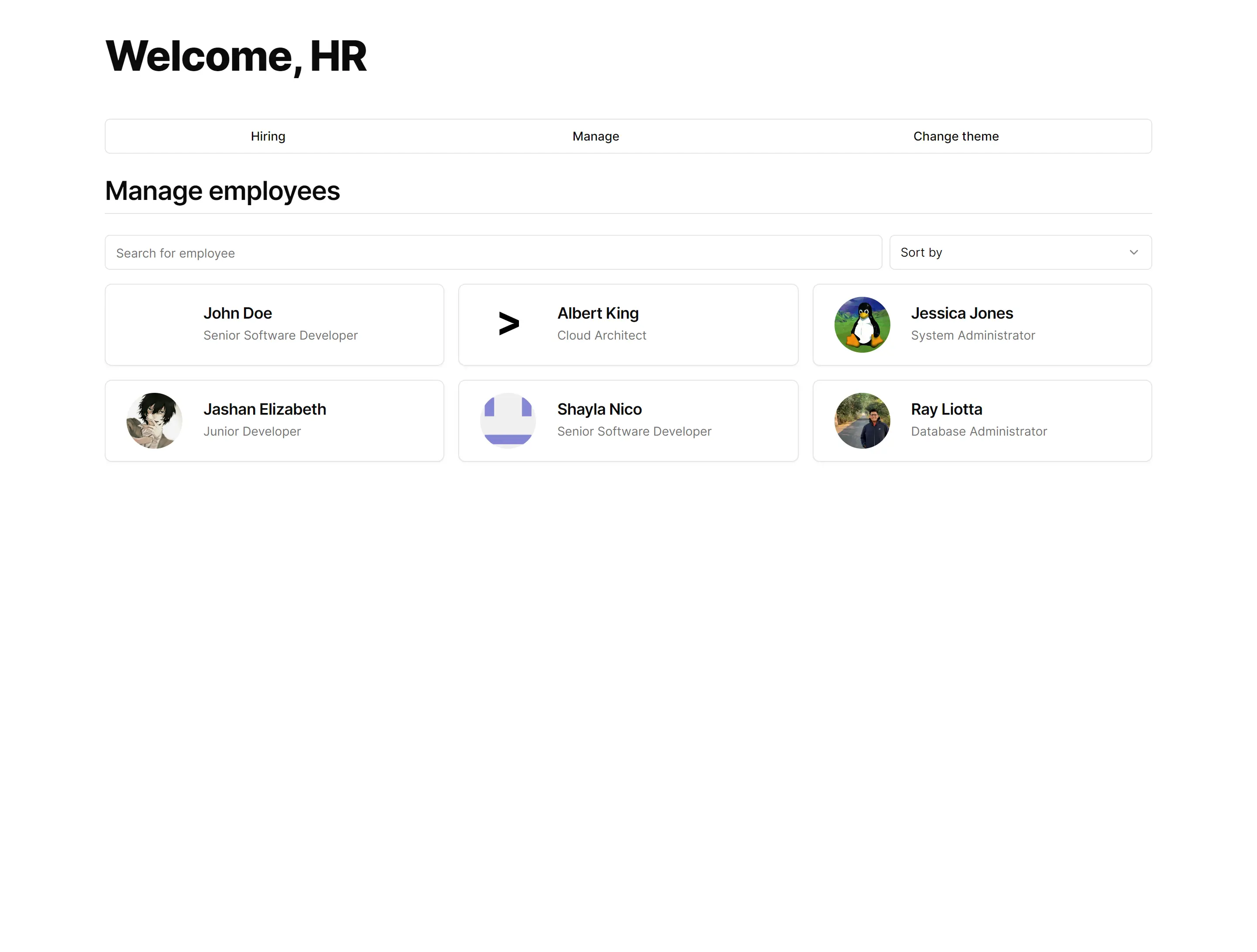
HR Tech is a web application that consolidates several HR workflows into a single interface:
Resume Filtering — Rather than reading every application manually, the system evaluates resumes against job requirements and surfaces the strongest candidates first. This reduces the time-to-shortlist dramatically for roles that receive many applicants.
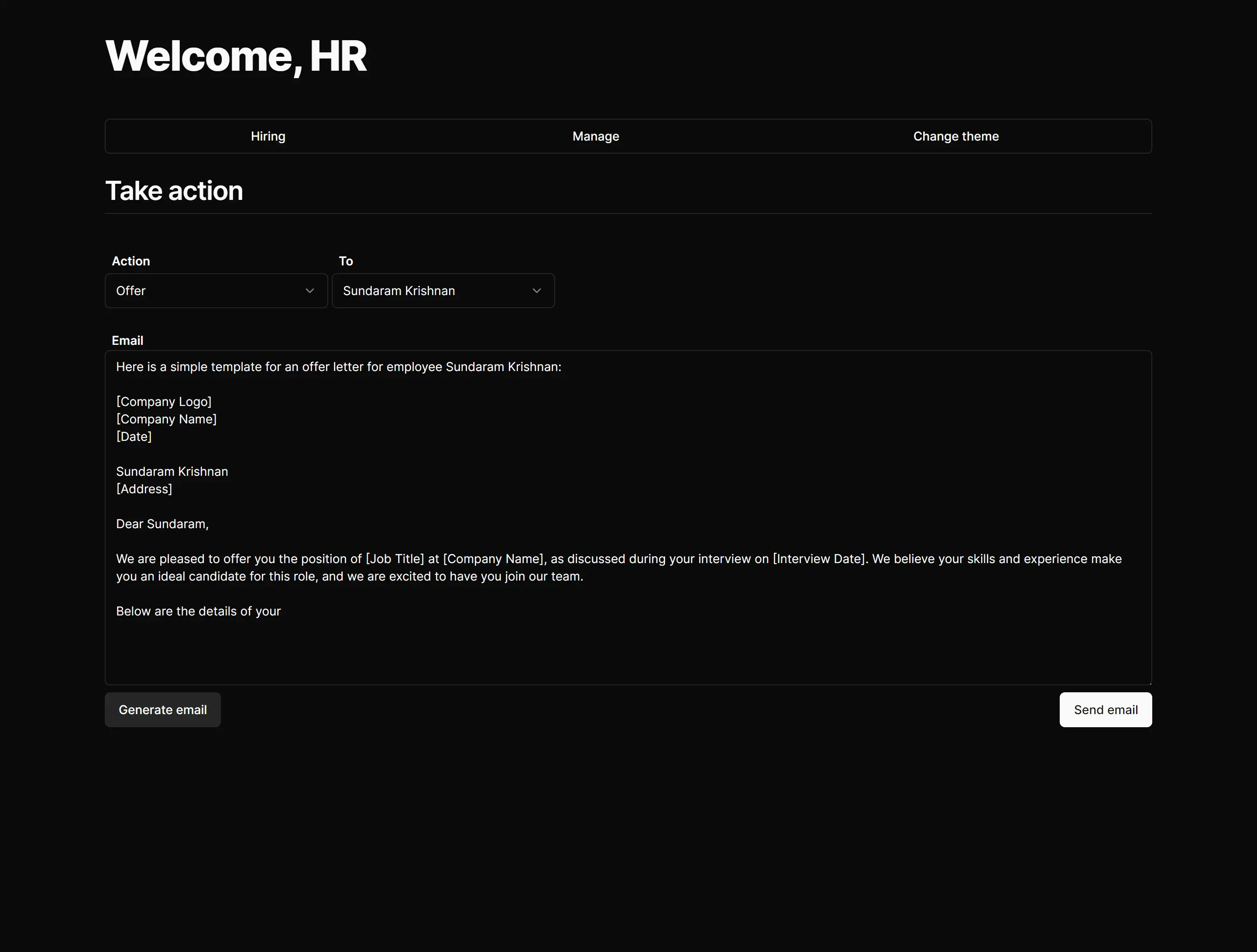
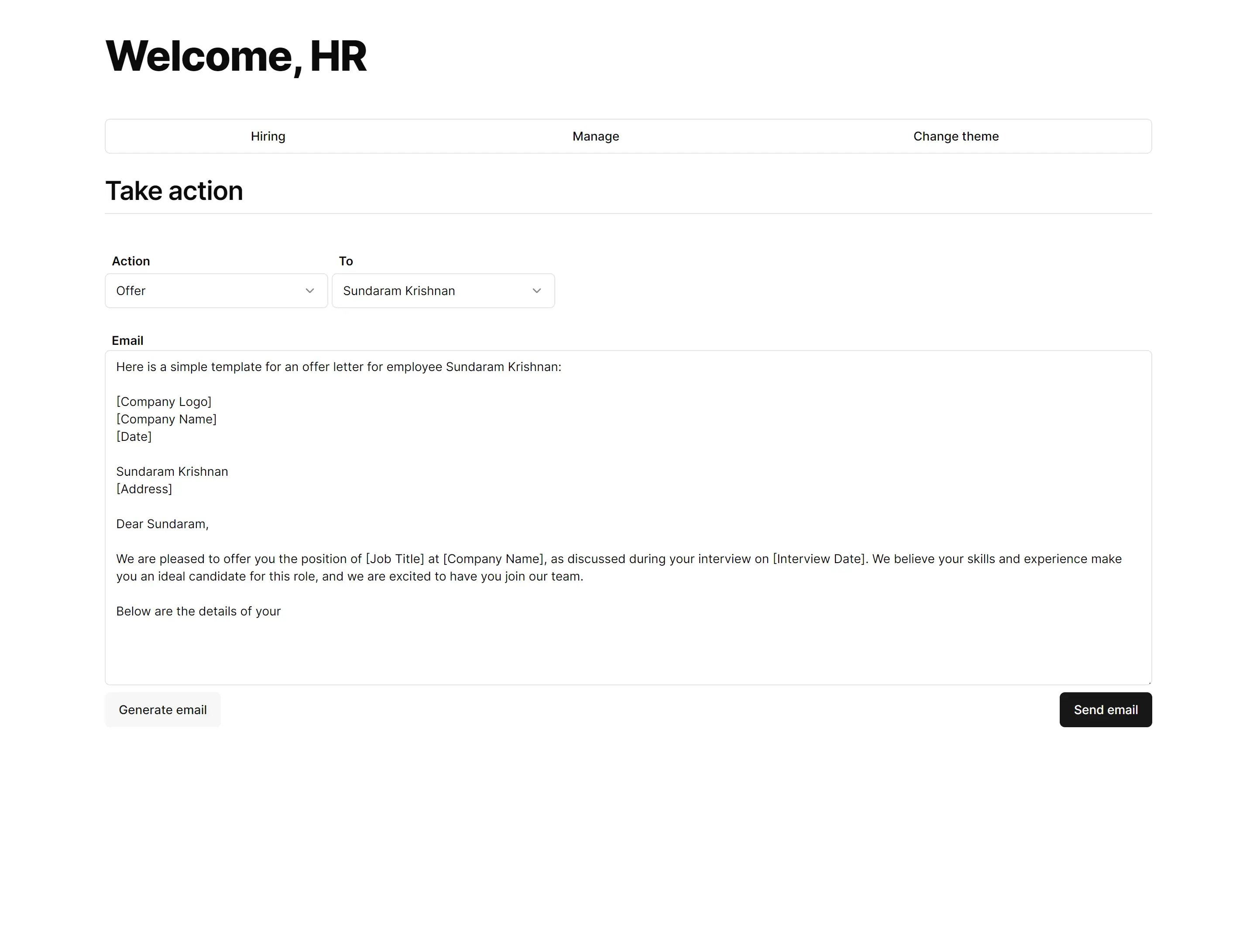
Automatic Response Generation — Using the Llama API, the system generates contextual responses to candidate applications. Form rejections and interview invitations are drafted automatically based on the resume screening result, leaving the recruiter to review and send rather than write from scratch.
Action Monitoring via GitHub API — For technical roles, the tool connects to candidates' GitHub profiles to track contribution activity, repo quality, and recent work. This gives recruiters a signal beyond the resume without requiring manual research.
Expense Management — A simple module for employees to submit and track expense claims, giving HR a consolidated view without relying on email.
Technical Decisions
We chose Svelte for the frontend because of its reactivity model and fast rendering — important for a hackathon where UI polish needed to happen quickly. The Llama API integration for response generation was a deliberate choice to keep everything local-first and avoid dependency on paid OpenAI API credits during the competition.
The GitHub API integration required careful handling of rate limits. We implemented a lightweight caching layer so that repeated lookups for the same candidate didn't burn through the API allowance during a live demo.
What I Learned
Hackathons force prioritization in a way that normal development doesn't. With 24 hours on the clock, you quickly learn which features actually demonstrate the value proposition and which are scope creep. We cut several originally planned features to make sure the core resume filtering and auto-response flow worked reliably — the right call in retrospect.
The Llama API also taught me the practical limits of local language models: capable enough to draft professional emails, but requiring careful prompt engineering to keep the output format consistent enough to be genuinely usable.