The Problem
Most institutional websites — especially for smaller colleges — are slow, visually dated, and difficult to navigate on mobile. They're often built on bloated CMS platforms and suffer from long load times, poor contrast, and outdated content that hasn't been updated in years. For a technical institution, this is an awkward contradiction.
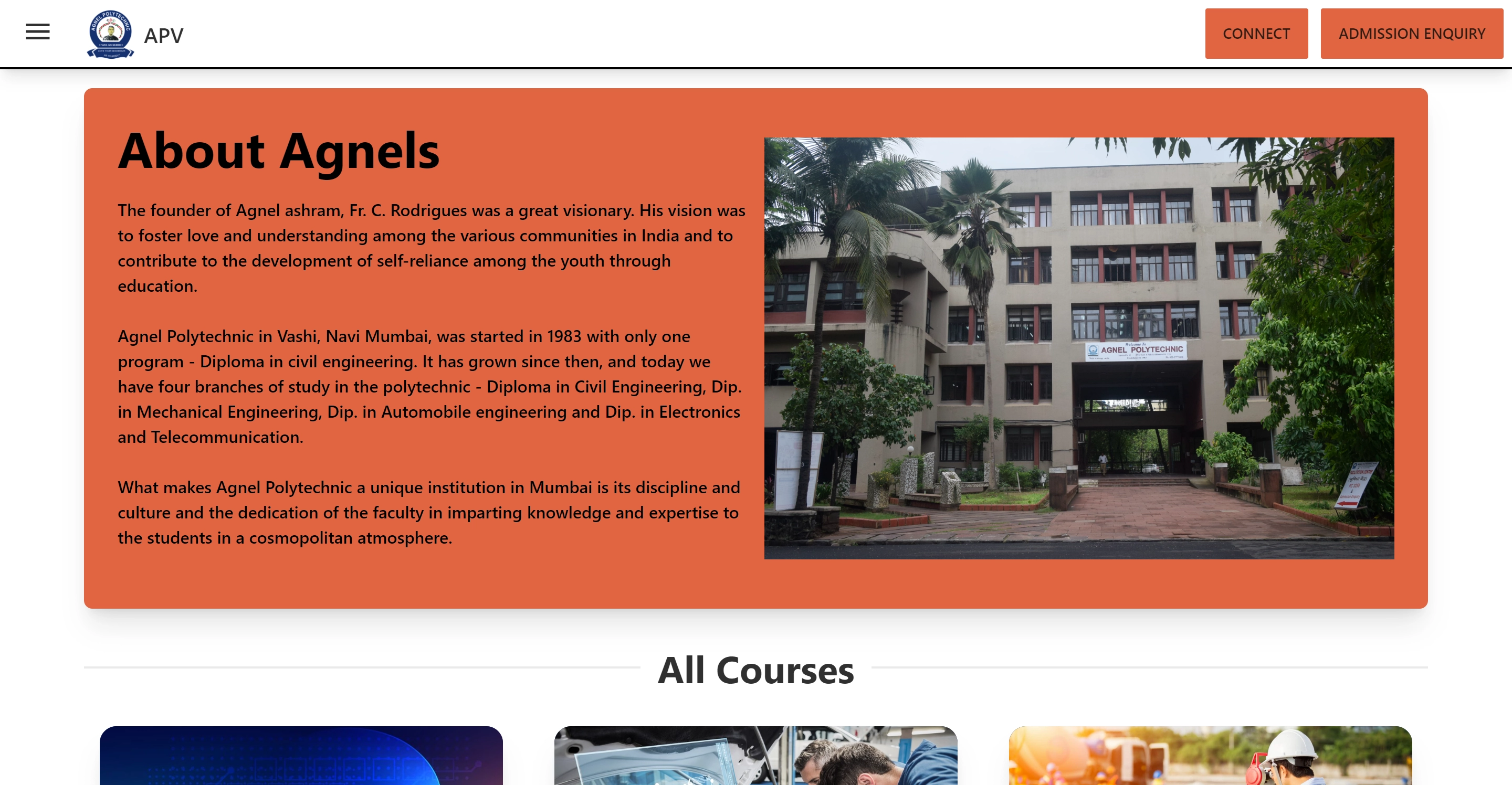
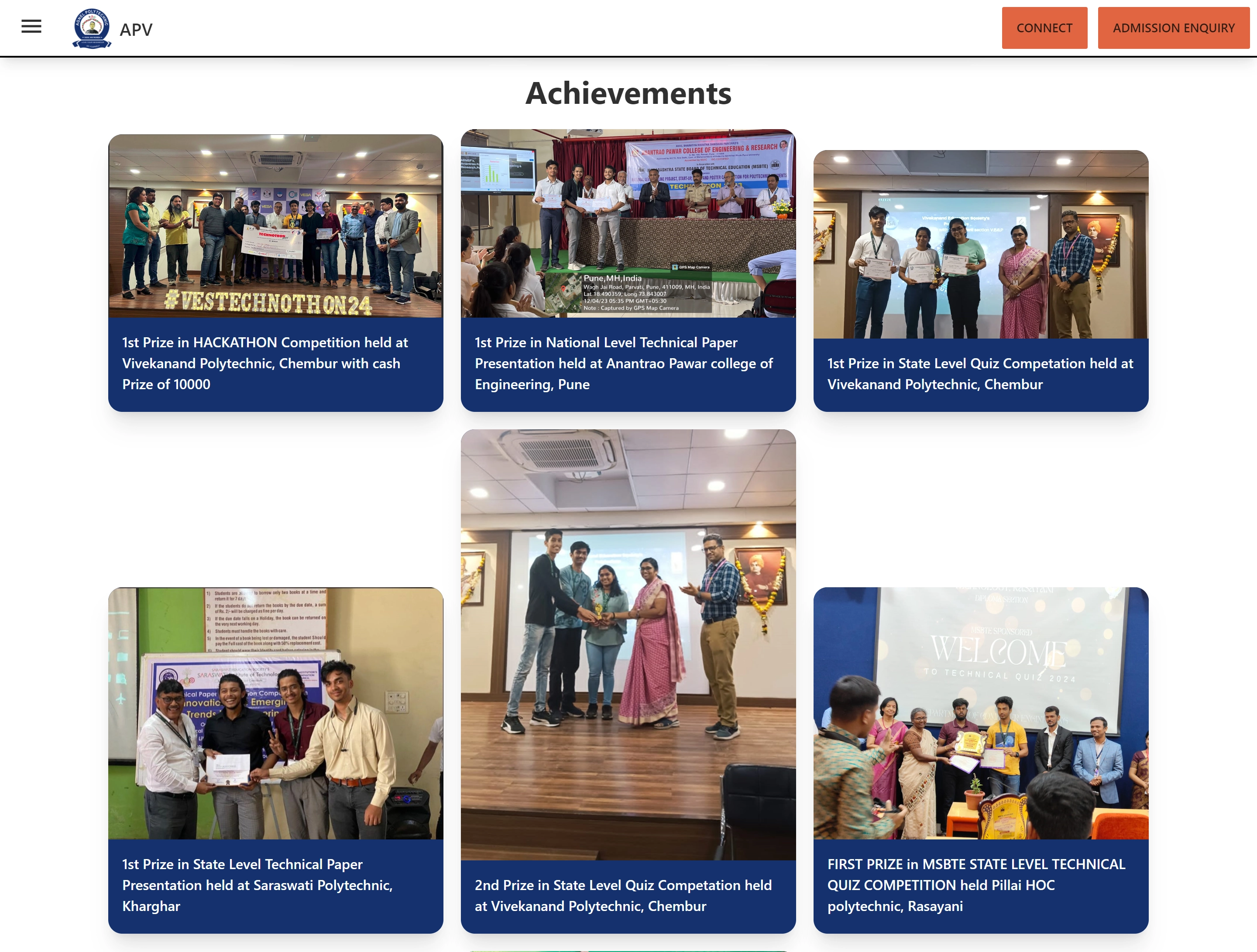
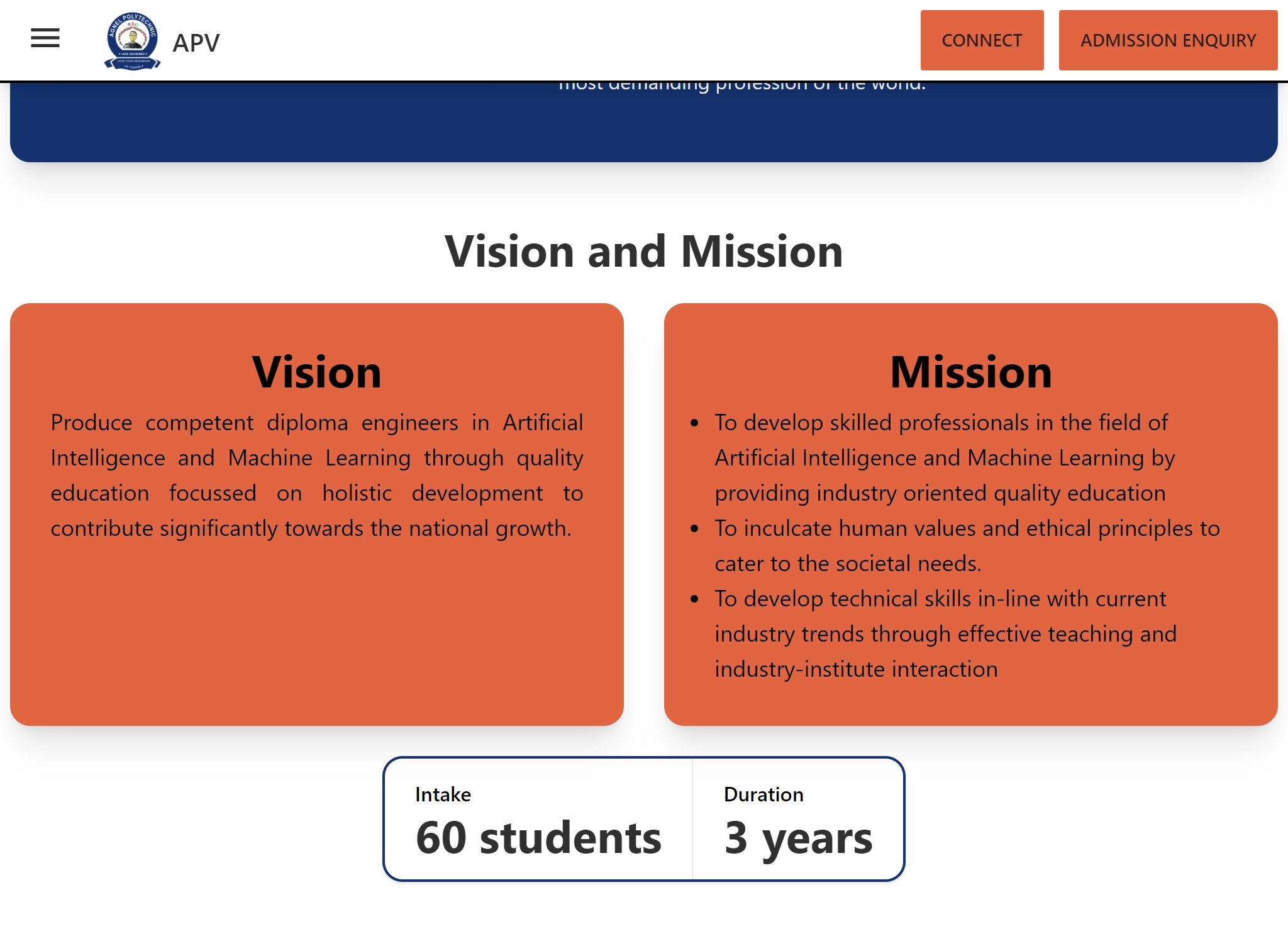
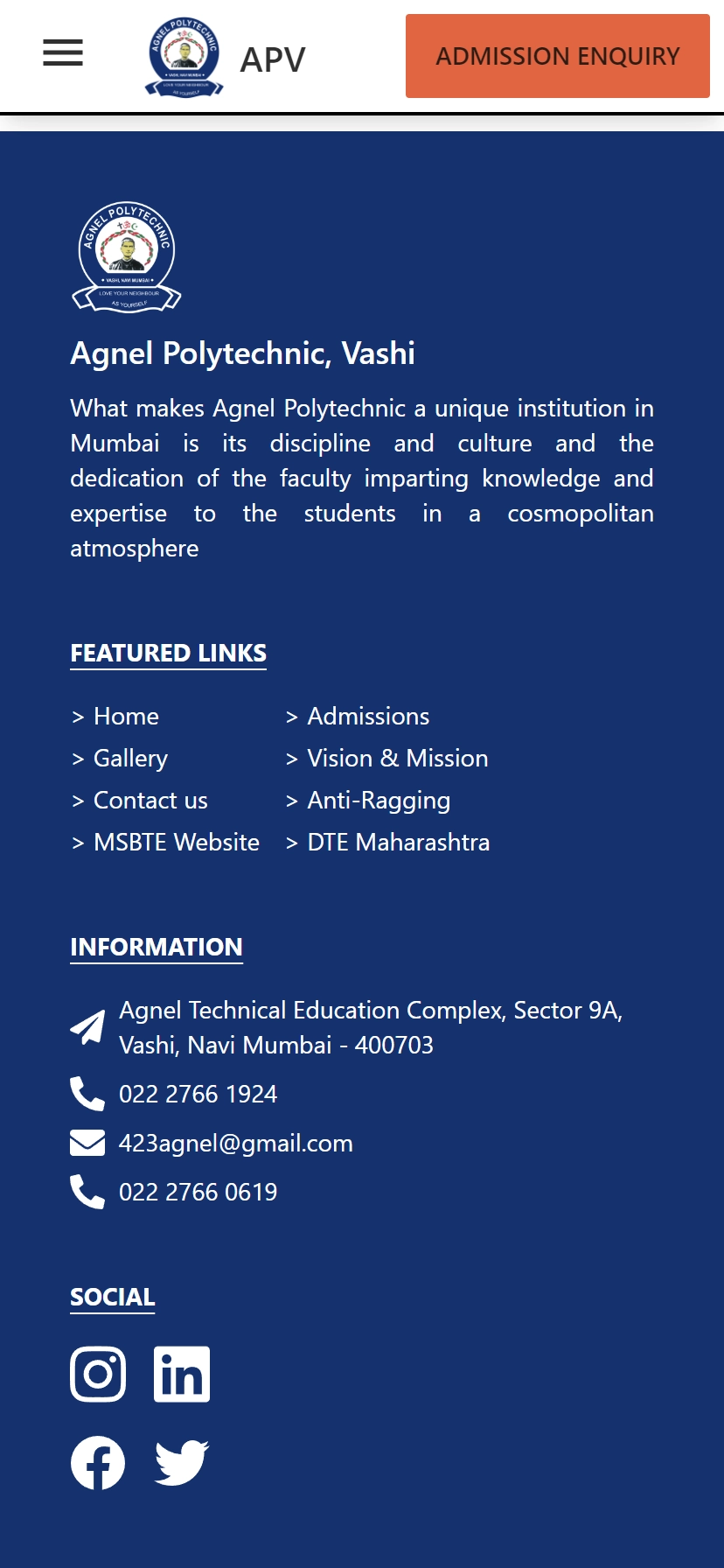
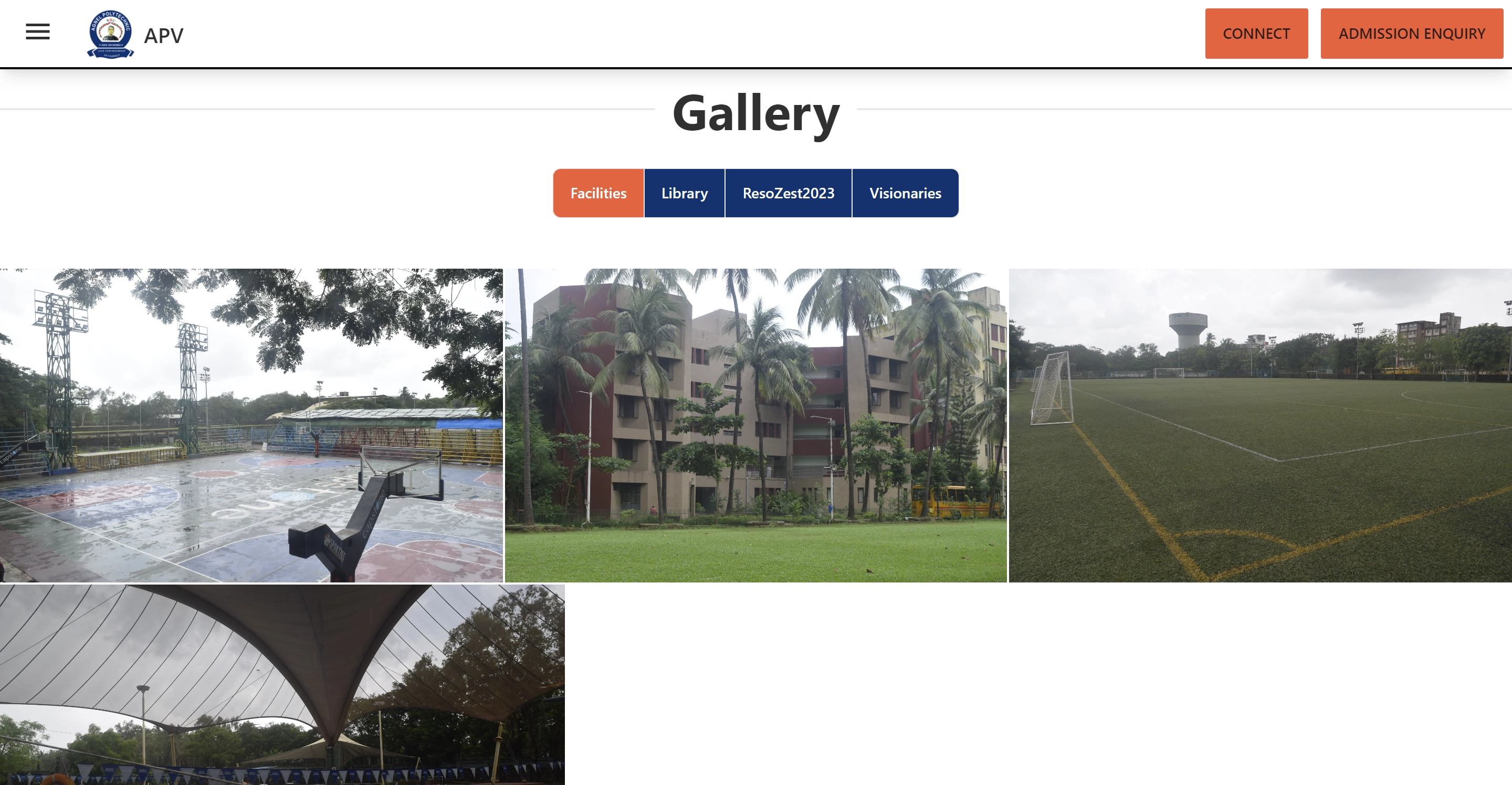
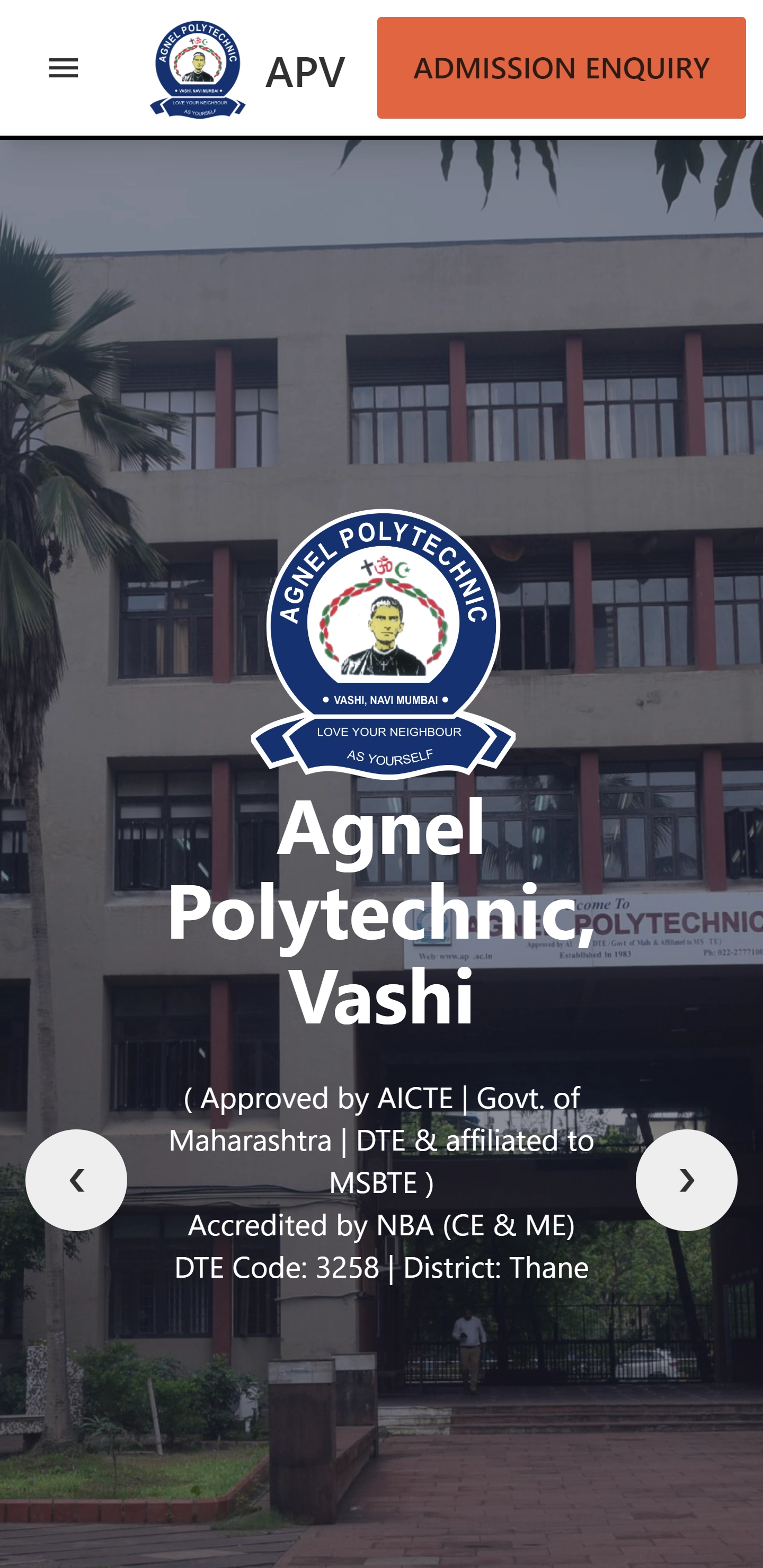
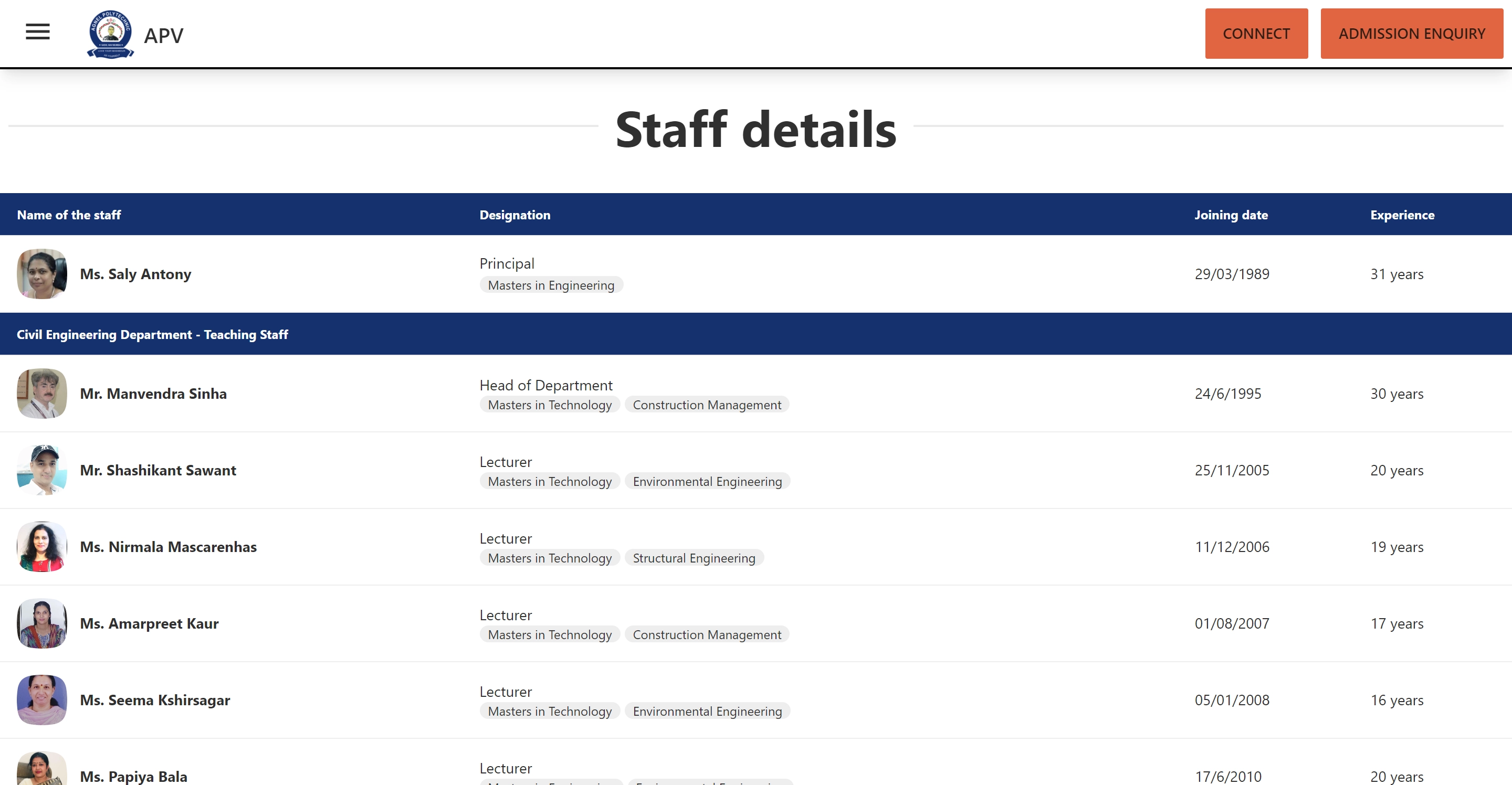
Agnel Polytechnic needed a modern face: something that loaded fast, displayed key information clearly, and worked well across devices — all without requiring a backend or ongoing server costs.
The Solution
I built a fully static website using SvelteKit, compiled to plain HTML and deployed on a CDN. Static generation means there's no server-side processing per request — visitors get pre-built HTML served from an edge node, which is both cheaper and dramatically faster than a traditional PHP or WordPress site.
The design uses TailwindCSS and DaisyUI to create a clean, accessible layout. I focused heavily on image optimization — converting assets to modern formats and setting explicit dimensions to avoid layout shift — which directly improves both performance scores and the real experience of first visiting the page.
Key Technical Decisions
The biggest decision was going fully static rather than using a headless CMS or server-rendered setup. The site's content doesn't change frequently enough to justify the complexity of a database, and prerendering everything lets Svelte do what it does best: ship near-zero runtime JavaScript.
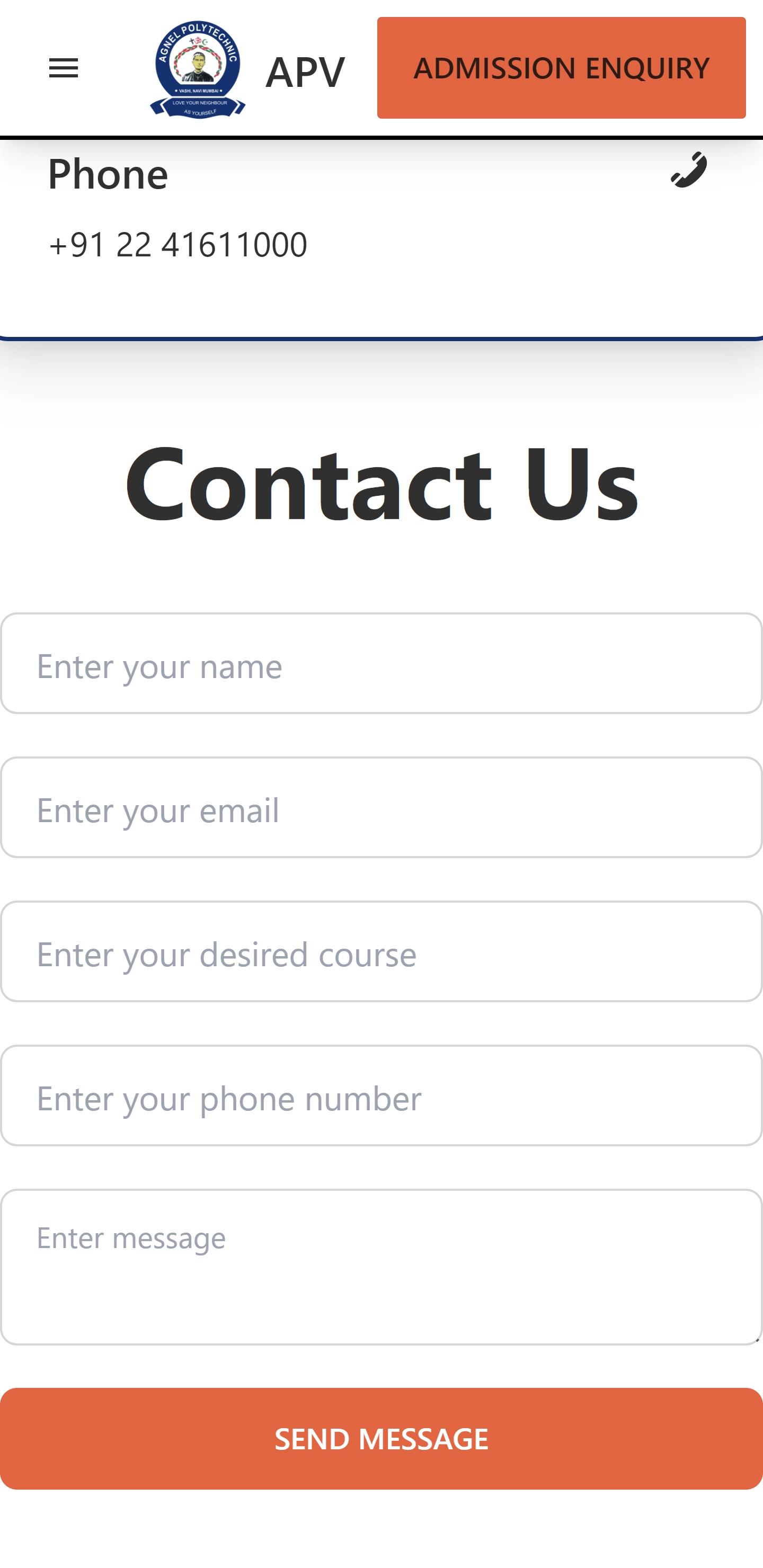
I also added a contact form that integrates with a third-party service to avoid any backend requirement, keeping the hosting footprint at zero while preserving a useful interactive feature for prospective students.
What I Learned
Working with a real institution means navigating constraints beyond the technical. The color palette, logo usage, and content structure all had requirements I had to work around rather than redesign freely. It was a useful exercise in building within someone else's brand identity while still making technical improvements.
The project also reinforced how much performance headroom exists in typical institutional websites: switching from a legacy CMS to a static Svelte build cut load times significantly, which is measurable in both Lighthouse scores and real-world user experience.